The Winning Equation: Understanding the ROI of Commercial Pitching Machines for Sports Academies
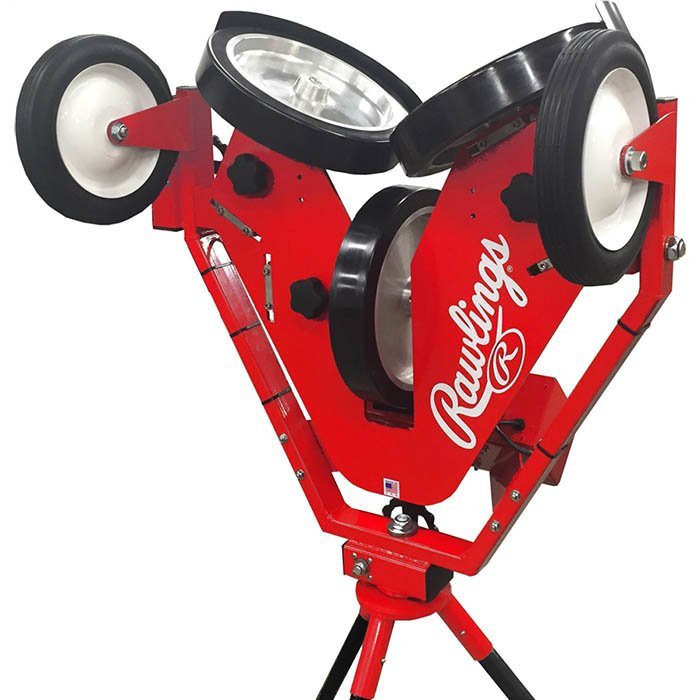
For any sports academy looking to elevate its training programs, the decision to invest in commercial-grade equipment is a pivotal moment. Among the most significant investments a baseball or softball facility can make is the acquisition of a high-end pitching machine. While the initial capital expenditure can be substantial, viewing this equipment merely as a cost center is a mistake. In the competitive landscape of athletic training, a commercial multi pitch commercial baseball training machine acts as a force multiplier that impacts every facet of the business, from labor efficiency to athlete retention. The return on investment for these machines is found in the intersection of enhanced training quality, increased lane throughput, and the ability to offer specialized services that distinguish an academy from its local competitors.
Maximizing Training Volume and Labor Efficiency
The primary driver of revenue for most sports academies is the hourly rental of batting cages and the delivery of private lessons. In a traditional setting without a high-quality machine, a significant portion of a coach’s energy and time is spent throwing front toss or live batting practice. While this has its place, it is physically taxing and limits the number of swings an athlete can take in a thirty-minute session. A commercial pitching machine never gets tired and never develops a sore shoulder. It can deliver hundreds of precise strikes per hour, allowing the coach to step back and focus entirely on the athlete’s mechanics rather than the effort of throwing.
By automating the delivery of the ball, the academy increases the “swings-per-hour” metric, which is a direct indicator of value for the paying parent or athlete. Furthermore, the reliability of a commercial machine allows academies to offer self-service cage rentals. This enables the facility to generate revenue even when coaches are not available. When a machine can be operated safely by a customer or a low-level staff member, the academy reduces its reliance on high-cost labor for basic repetitions, significantly improving the profit margins of every hour the facility is open.
Versatility as a Tool for Client Retention
In the modern era of sports science, athletes are looking for more than just a ball coming over the plate. They need to train against specific velocities, spin rates, and break patterns that mimic the pitchers they will face in real games. Professional-grade pitching machines offer programmable features that can replicate a wide variety of pitches, from ninety-mile-per-hour fastballs to sharp-breaking sliders and changeups. This level of sophistication turns a simple batting cage into a high-performance laboratory.
When an academy can provide this level of specific, high-velocity training, it becomes a destination for serious high school and collegiate athletes. These “power users” are the lifeblood of a facility’s recurring revenue. By providing equipment that grows with the athlete’s skill level, the academy ensures that clients do not “outgrow” the facility. The ability to simulate elite-level pitching is a powerful marketing tool that builds brand authority and fosters long-term loyalty, which is far more cost-effective than constantly spending money to acquire new, one-time customers.
Durability and Lower Long-Term Maintenance Costs
One of the hidden components of return on investment is the total cost of ownership over the life of the machine. Although a consumer grade pitching machine is attractive because of its lower cost, it is not intended to work in the environment of an academy where it can be used up to six or eight hours a day and seven days a week.Cheap machines often suffer from motor burnout, inconsistent accuracy, and frequent downtime, all of which result in lost revenue and frustrated clients.
Commercial machines are engineered with heavy-duty motors, reinforced frames, and high-quality electronics that can withstand thousands of cycles. The ROI is realized through the avoidance of repair costs and the preservation of the academy’s reputation for reliability. A machine that is out of order is a lane that is not generating income. By investing in a durable, industrial-strength unit, the academy ensures maximum uptime, which is the most critical factor in recouping the initial investment. Over a five-year period, the lower maintenance requirements of a premium machine often make it significantly cheaper than a budget model that requires constant part replacements.
Conclusion
The acquisition of a commercial pitching machine is a strategic investment in the scalability and credibility of a sports academy. The return on investment is not just found in the fees collected for cage rentals, but in the physical relief of the coaching staff, the enhanced development of the athletes, and the operational stability of the facility. By providing a consistent, high-quality training experience that cannot be replicated in a backyard or a public park, an academy solidifies its value proposition. While the upfront price may be higher, the combination of durability, versatility, and labor efficiency ensures that the machine pays for itself many times over through the years. In the end, the right equipment allows the academy to stop focusing on the logistics of throwing and start focusing on the results of the training.